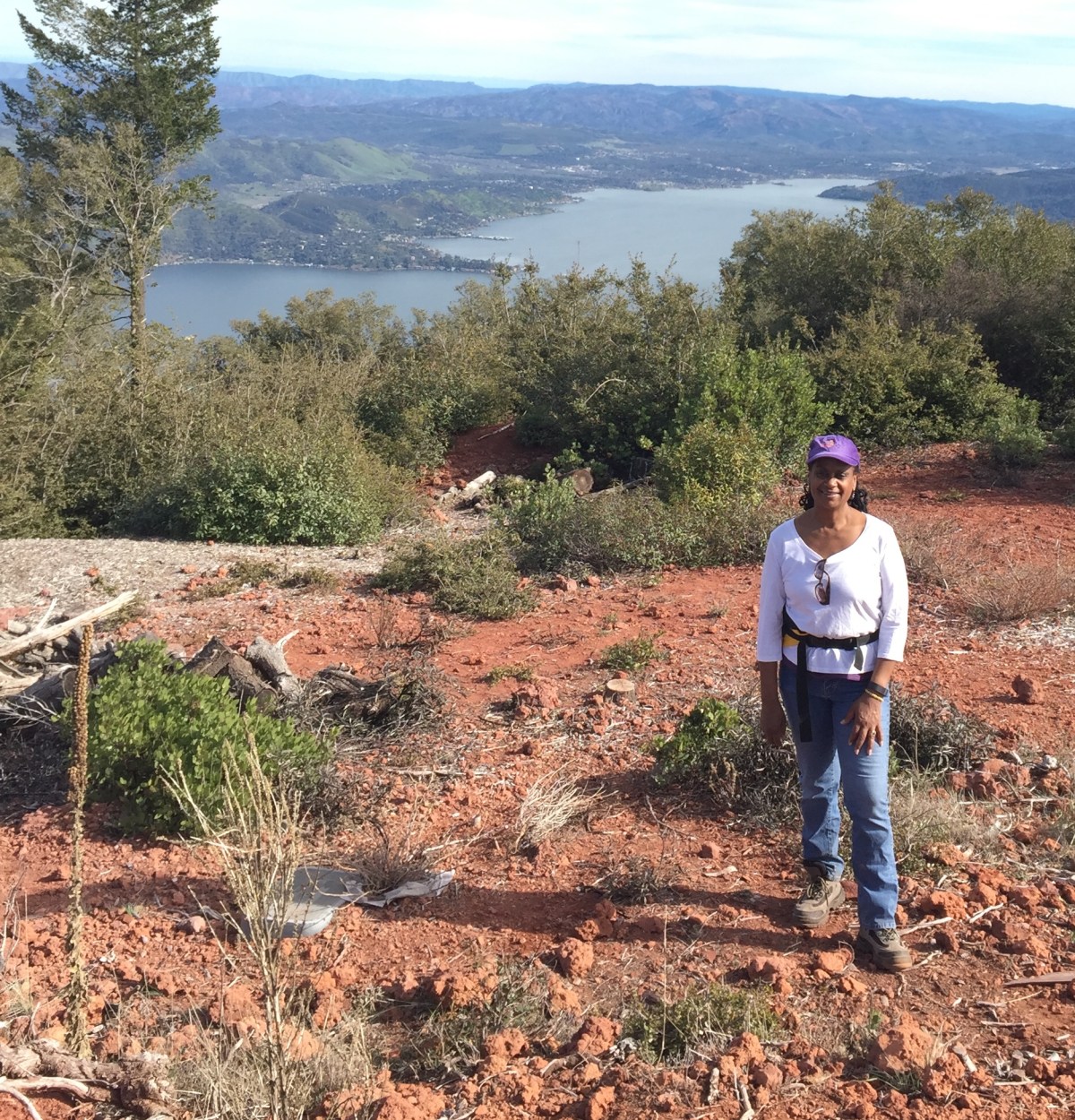

My research focuses on indigeneity, gender, African diaspora, and coastal resources. I investigate how indigenous populations achieve autonomy using three areas of analysis—race, indigeneity, and the environment. My case study focuses on the Gullah Geechee of South Carolina’s Sea Islands. The Gullah Geechee indigeneity represents an epistemic break.Their consciousness grounded in the cultural traditions of reciprocity with human and other-than-humans, sharing focused on a communal non-monetary economy, and cooperation within local and global alliances opens up resources that enable them to achieve a level of autonomy.
One of my greatest goals is to engage, inspire and transform students. Dispensing with the assumption that learning is confined to the classroom, I strive to create an educational experience that enriches life through teaching and research. Drawing on Paulo Freire’s problem posing approach rather than problem solving, my goal is to create an environment in which students and I can collaboratively analyze and reflect on matters of race, gender, and gender equity, environmental sustainability and justice, and ethnographic methods. In engaging, inspiring and transforming students, as Fanon suggests, to evolve from being for others to being themselves, my hope is that the use of transformative pedagogy facilitates learning for as many outside the academy as I reach inside.

 Sharon Y. Fuller